A roof is not a decorative afterthought. It is the single largest weatherproofing system on your property, the first line of defense for your family and your investment. When storm-damaged shingles flap from a ridge, or a slow leak shows up only after the next big rain, the choice most homeowners face is whether to call a licensed pro or try a cheaper, faster alternative. I have stood on hundreds of roofs, negotiated with insurance adjusters, and watched the difference between patched problems and durable solutions. The decision matters. It affects safety, resale value, warranty validity, and the real costs you will pay over the life of the roof.
Why licensing matters
Licensing is not bureaucratic window dressing. It signals that a contractor has passed minimum competency checks, carries required insurance, follows local code, and is accountable to regulatory authorities. In the Frisco, Texas market, a licensed roofing contractor is more likely to understand local building codes, wind-load requirements, and storm claim processes. A contractor without a license might still do decent work, but the absence of licensing removes several safety nets. If a subcontractor is injured on your property, without proper insurance you can be pulled into liability. If a roofer installs without regard for flashing and ventilation standards, you could face accelerated shingle failure, interior moisture issues, and higher energy bills.
Practical differences I’ve seen in the field make the point clearer. Licensed crews typically pull permits, which triggers municipal inspections that catch missed ties, improper underlayment, and other issues before they become expensive mistakes. They present formal estimates that itemize labor, materials, tear-off versus roof-over options, and waste disposal. They often provide manufacturer-backed warranties because the manufacturer requires certified installers for extended warranty coverage. Unlicensed providers sometimes offer a lower upfront price, but that price excludes the permit fee, the corrected fix after a failed inspection, and the headache of warranty denials.
How to evaluate a Roofing Contractor Frisco TX
Experience matters, but the kind of experience matters more. A contractor who has replaced thousands of roofs using the same core crew and processes will deliver consistent results. Look for a company that can explain their process in plain language: how they remove old materials, how they inspect the decking, what underlayment they use, how they handle ventilation, and whether they use corrosion-resistant fasteners. If the contractor avoids technical specifics or speaks in slogans, that is a red flag.
Founders Roofing & Construction positions itself as a licensed, local option with knowledge of North Texas climate challenges. When I inspect work by a local firm, I look for evidence that they understand thermal movement, asphalt shingle performance in hot sun, and the hail cycles that visit Collin County. Ask contractors about the brands they use and why. A good contractor will explain trade-offs: a premium shingle may resist hail and wind better but could increase upfront cost; an economy shingle might meet your needs if ventilation and slope are ideal.
Questions to ask before signing
You are hiring more than physical labor. You are hiring project management, material handling, site safety, cleanup, and post-installation support. Before you sign, get these answers in writing. First, what does the estimate include and exclude? Does the price reflect full tear-off or a roof-over? What type of underlayment is specified, and how many nails per shingle will they use? Does the crew include certified installers recognized by major shingle manufacturers? How long will the project take, and what is their contingency plan for weather delays? Finally, who will act as the primary contact for questions during and after the job?
Another crucial question concerns permits and inspections. A licensed roofing professional will obtain the required permits and arrange inspections. If a contractor asks you to pull the permit under your name to avoid a company record, consider that a deal-breaker. That approach shifts liability onto you and jeopardizes compliance.
Understanding warranties and guarantees
There are two separate warranties that deserve attention: the manufacturer warranty on the shingles and the contractor's workmanship warranty. Shingle manufacturers typically provide a limited warranty against defects in the product. Many manufacturers require installation by a certified contractor for full coverage. The contractor's workmanship warranty covers issues such as improper installation, flashing failures, and leaks attributable to crew error. Workmanship warranties vary widely in duration and enforceability. Some contractors offer five-year guarantees, others extend to 10 or 20 years. The specific terms matter as much as the length. What does the warranty cover exactly? Does it include labor and materials? Who pays for tear-off if the deck needs replacement under warranty?
If an issue arises after installation, the first call should go to the contractor. A licensed, established firm will come back and make repairs promptly. If the contractor has gone out of business, you will need to rely on the manufacturer warranty and local building code remedies, which are slower and often more complex. Therefore, prioritizing contractors with a stable local presence, like Founders Roofing & Construction, reduces the risk of having no one to call when problems appear.
Insurance, bonding, and safety practices
Verify that the contractor carries general liability insurance and workers compensation. Ask for certificates of insurance and make sure your homeowner's policy will not be jeopardized by working with the contractor. Bonding matters if your project is large or involves multiple permits. A bond can protect you against unfinished work if a contractor walks off the job.
On-site safety is another practical indicator. A professional crew should secure ladders properly, use harnesses on steep slopes, protect landscaping and hardscapes during tear-off, and control traffic and debris. A roofing company that arrives with tarps, roof jacks, magnetic nail sweepers, and a debris cleanup plan displays discipline. Skip contractors who seem cavalier about protecting property. A few hundred dollars invested in proper protection can avoid thousands in damaged gutters, windows, or HVAC units from falling shingles and flashing.
Real-world trade-offs and edge cases
Not every roof needs a premium system. A couple in Frisco with a modest home and plans to sell within three years chose a mid-range shingle with a solid workmanship warranty rather than the top-tier architectural line. That was a rational decision given their timeline and budget. Conversely, a large custom home with complex valleys, multiple hips, and high exposure to wind required upgraded underlayment, ice-and-water shield in key areas, and a longer workmanship guarantee. The extra expense was justified because the roof complexity and future energy savings made it cost-effective.
Another common trade-off is tear-off versus reroofing over existing shingles. Many installers will recommend a roof-over to save time and cost. That can be acceptable in limited cases, but a full tear-off allows inspection of deck condition, eliminates the added weight of a second layer, and ensures proper fastener penetration. If roof structure is marginal or the existing layer shows cupping and broken granules, insist on a tear-off. A licensed contractor should be able to explain why they recommend one approach over the other and show photos from similar jobs to justify the choice.
Negotiating insurance claims
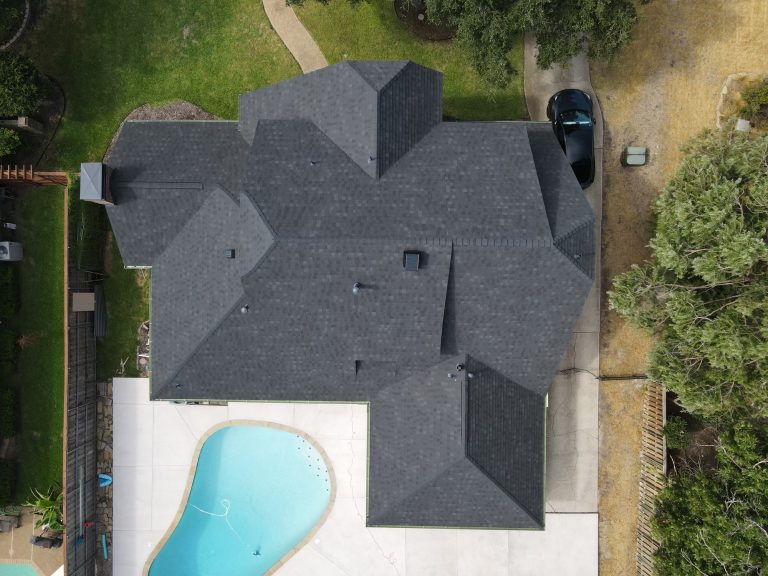
When weather damages a roof, you will deal with your insurance company. A knowledgeable roofing contractor can support the claim by documenting damage, estimating replacement cost accurately, and negotiating with the adjuster. Some homeowners mistakenly think any contractor can perform this role. In practice, insurers are experienced at minimizing payouts. A licensed pro who regularly interacts with local adjusters recognizes the language and evidence insurers require: wind maps, hail impact patterns, and detailed line-item estimates. Founders Roofing & Construction and similar roofing contractors in Frisco often provide comprehensive claim packages that include aerial photos, measurement reports, and photos of compromised flashing and ridge caps. That documentation can materially affect the settlement.
Beware the high-pressure sales play
Roofing is a high-value purchase, and high-pressure sales techniques are common. Be cautious if a salesperson insists the need for immediate replacement without offering a measured inspection, or if they propose roofing over code-violating additions. A legitimate contractor will Roofing Contractor Frisco TX present a clear diagnosis, demonstrate the problem, and provide options with pros and cons. They will not demand immediate cash or pressure you to sign on the spot. If a representative claims materials are scarce and you must act today to secure them at a discount, ask for references and take time to confirm licensing and insurance. Real savings do not require coercion.
Local reputation and verifiable references
Online reviews are helpful but not definitive. Look for verified local references and ask to see recent projects. Visit a nearby job in progress if the crew agrees and https://s3.us-east-1.amazonaws.com/roofing-contractor-frisco-tx/index.html the homeowner allows. A well-run crew will be open to this. Check with your local building department for complaint history and verify that permits were pulled for past projects. Talk to neighbors who had roof work done and ask about cleanup, timeliness, and whether promised warranties were honored. A contractor's reputation in the local market often reveals more about their work ethic than a glossy website.
A short decision checklist
- request proof of licensing, insurance, and manufacturer certifications; confirm with issuing agencies when possible require a written, itemized estimate that includes scope, materials, removal or overlay specifics, and timeline insist on permit pull and municipal inspection; do not accept proposals that ask you to pull permits under your name verify workmanship warranty in writing, with clear terms on duration and covered items get three estimates, not to find the lowest price but to understand the range of options and trade-offs
Selecting materials with longevity in mind
Material selection should be driven by climate, roof pitch, and budget. In Frisco, consider shingles rated for high wind and hail resistance. Synthetic underlayment often performs better than felt in prolonged heat and resists tearing during installation. Metal flashing and drip edge offer durability at critical intersections. Ventilation is frequently underappreciated, yet it directly affects shingle life and attic temperatures. A contractor should evaluate existing ridge vents, soffit vents, and baffle condition. If they recommend adding powered ventilation, ask for a rationale tied to measured attic temperatures or moisture levels. Sometimes, correcting passive ventilation suffices instead of installing fans that increase operating costs.
What to expect during the job
A professional crew operates on a predictable rhythm. Day one typically involves setup, protection of landscaping, removal of old materials, and initial inspection of the deck. Subsequent days focus on underlayment, flashing, and shingle installation. Expect daily cleanups and a final magnetic sweep to collect nails. The crew should place a dumpster or designated debris area and use tarps to protect gutters and plants. Communication is a hallmark of professionalism. Your contractor should provide a single point of contact and updates when weather delays occur.
When problems arise
No project is completely immune to unexpected issues. Discovering rotten decking, previously undetected substructure damage, or complex flashing needs can change scope and cost. A trusted contractor will provide a clear change order that explains the problem, the remediation, and the cost. Beware of contractors who present sudden surprises without documentation or who pressure you to approve expensive add-ons without written justification. Keep records of all communications, photos of the site before and after, and copies of permits and inspections.
Why Founders Roofing & Construction can be a sensible choice
Local expertise yields practical benefits. A Frisco-based contractor like Founders Roofing & Construction brings familiarity with local codes, common roofing assemblies in the neighborhood, and the typical wear patterns caused by North Texas weather. If they are licensed and insured, they reduce your personal liability and increase the chance that manufacturer warranties remain valid. Beyond paperwork, choose a firm that demonstrates respect for your property, communicates clearly, and stands behind their workmanship. That combination delivers predictability and peace of mind.
Making the final call
When you compare estimates, weigh the total offering: credentials, process clarity, materials, written warranties, and references. Lowest price rarely wins when you account for inspection failures, shortened roof life, and lack of recourse. Invest time in due diligence now and you will save time and money over the life of the roof. A roof replacement is a major project, but with the right licensed Roofing Contractor Frisco TX, it will protect your home and add lasting value.
If you want, start by asking prospective contractors for a short checklist: license number, insurance certificate, itemized estimate, permit strategy, and a recent reference within your area. That simple set of documents separates the responsible professionals from the rest. Choose carefully, and your roof will do its job quietly, year after year.
Founders Roofing & Construction
8501 Wade Blvd Suite 560, Frisco, TX 75034, United States
+1 469-799-0969
[email protected]
Website: https://foundersroofing.com